Mini Review!
originally in Top 5 books of July and August!
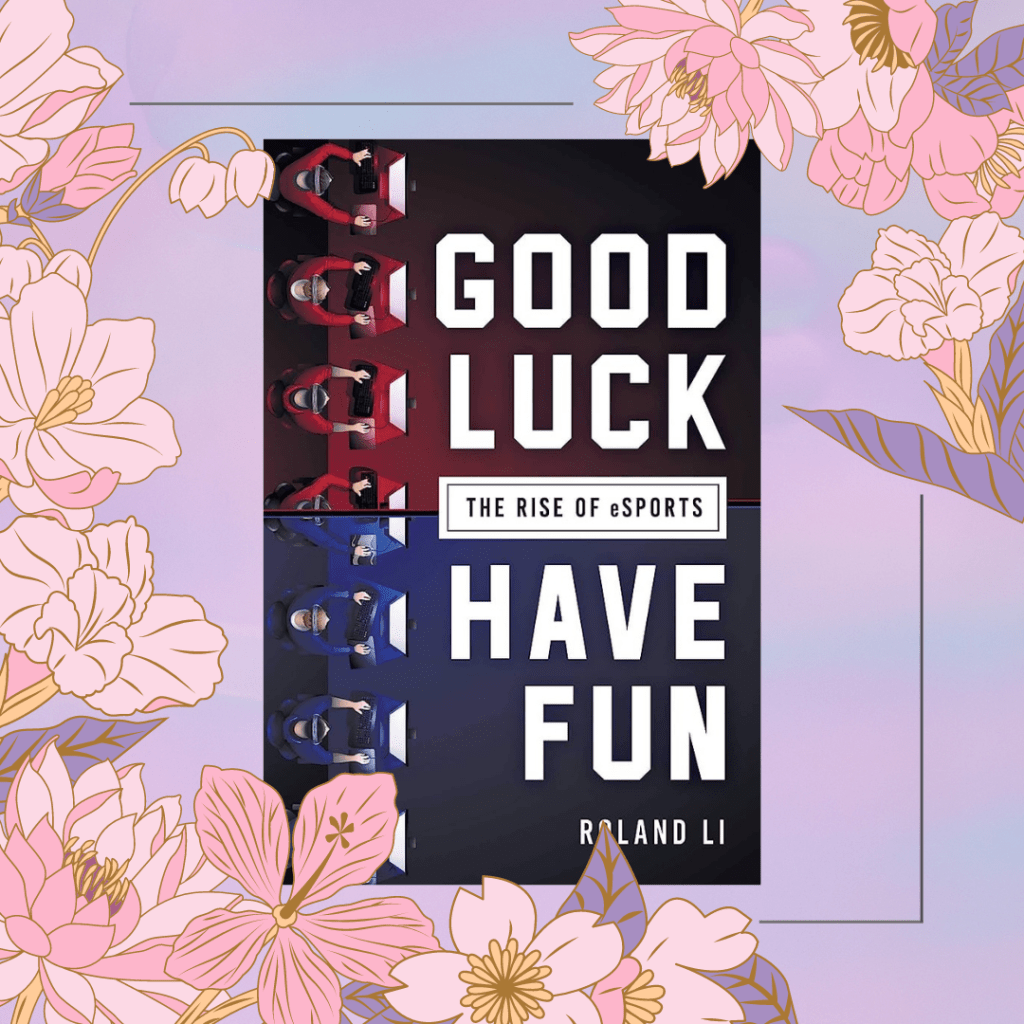
Esports is one of the fastest growing—and most cutthroat—industries in the world. A confluence of technology, culture, and determination has made this possible. Players around the world compete for millions of dollars in prize money, and companies like Amazon, Coca Cola, and Intel have invested
billions. Esports events have sold out Los Angeles’s Staples Center, Seoul’s World Cup Stadium, and Seattle’s KeyArena. Hundreds of people have dedicated their lives to gaming, sacrificing their education, relationships, and even their bodies to compete, committing themselves with the same fervor of any professional athlete. In Good Luck Have Fun , author Roland Li talks to some of the biggest names in the business and explores the players, companies, and games that have made it to the new major leagues.
Follow Alexander Garfield as he builds Evil Geniuses, a modest gaming group, in his college dorm into a global, multimillion-dollar eSports empire. Learn how Brandon Beck and Marc Merrill made League of Legends the world’s most successful eSports league and most popular PC game, on track to make over $1 billion a year. See how Twitch pivoted from a video streaming novelty into a $1 billion startup on the back of professional gamers. And dive into eSports’ dark drug abuse, labor troubles, and for each success story, hundreds of people who failed to make it big. These are the stories of the rise of an industry and culture that challenge what we know about sports, games, and competition.
I think this book is a great introduction to the world of esports and video games in general. It manages to tackle a somewhat intimidating issue and does it in a way that doesn’t feel condescending or in a ‘gatekeepy’ way. Li is happy to tell you about esports and the way he does it is refreshing and helpful and engaging.
Something that seems to be a main complaint for this book is the lack of structure, but I think that the structure of the book matches the story that it is trying to tell. It weaves themes and critiques into the story and manages to do it in a way that feels natural. The book is to the point and doesn’t care about the fluff that often hampers other books about esports. It is also a book that can introduce new people to the sport but also work as a tool for more knowledgeable people to look back on.
At the end of the day, this is a non-fiction book so it does have some of that general blandness that is often associated with non-fiction. But I do think that this is an overall great book and is up there when it comes to my favorite non-fiction books. If you can get over the general non-fiction, history-telling vibe of the book I think it is a great read (and an even better audiobook listen!).


 Rebecca's Thoughts
Leave a comment